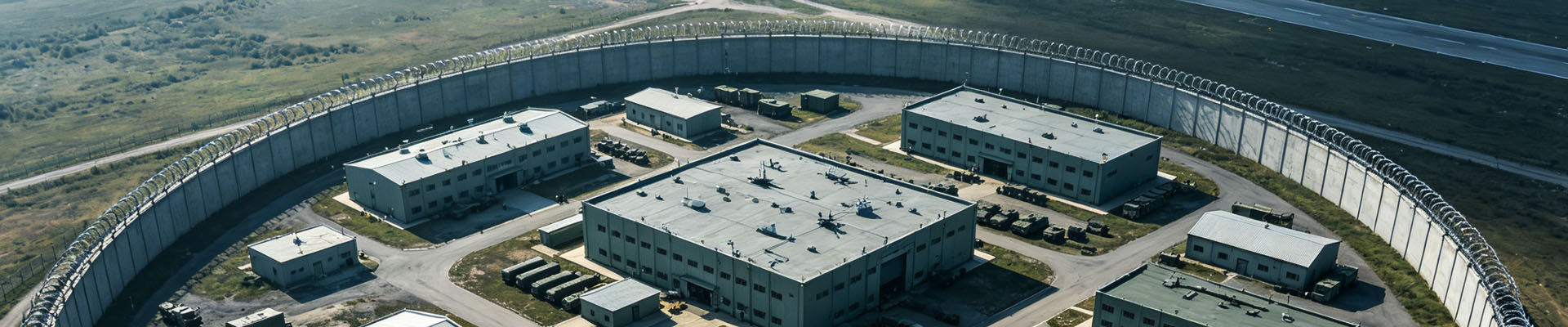
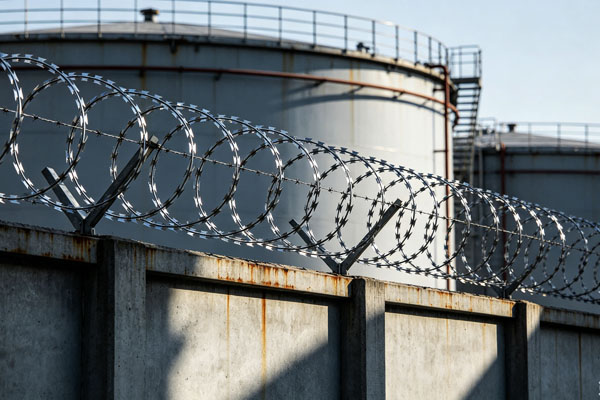
Razor wire has become a critical compone
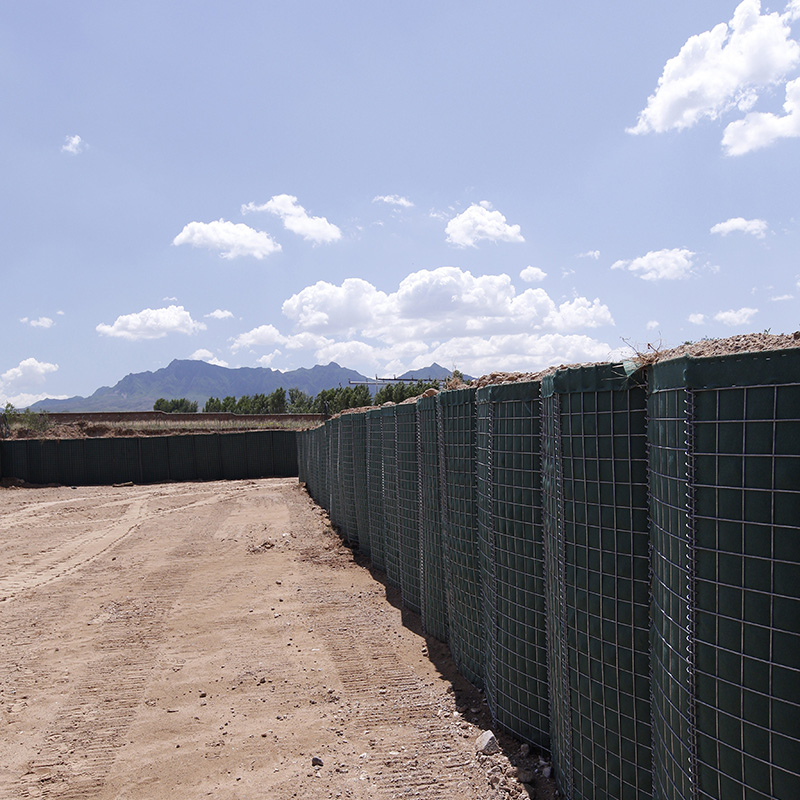
I still remember the old days of stackin
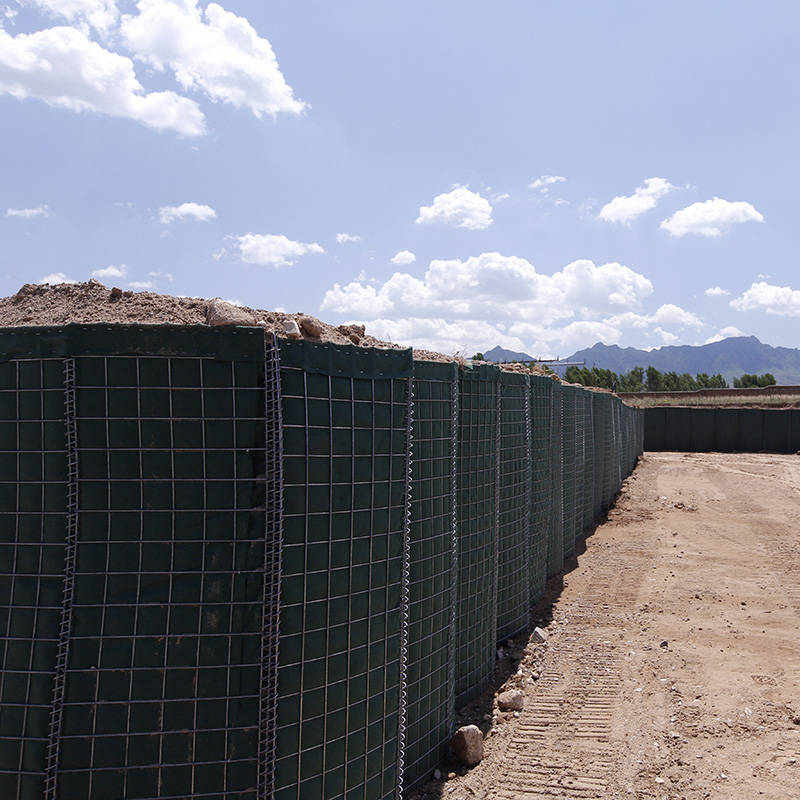
I grew up watching my dad fill sandbags
At 4:30 PM, the construction team was ready to finalize the order.
The drawings showed a retaining wall along the side of a road. The required gabion boxes had already been selected.
Then the engineer walked down to the lower section of the slope.He stopped.The soil looked different from the area shown in the original survey.
Small channels had formed where rainwater had been flowing downhill. The lower section also showed signs of previous soil movement.
The order was paused.
A Different Problem Than Expected
The project was originally considered a simple retaining wall installation.
After the inspection, the team realized that the structure also needed to handle surface runoff and changing ground conditions.
The design review focused on several points:
·Was the foundation stable?
·Where was water entering the slope?
·Would drainage affect the wall?
·How should the gabion units be arranged?
Why the Gabion Design Changed
The basket dimensions, placement and supporting measures needed to match the slope conditions rather than only follow the original drawing.
A retaining structure is affected by more than the wall itself. Ground conditions, rainfall, drainage and surrounding soil all influence performance.
The Lesson From One Afternoon Inspection
They discovered that the original assumptions did not fully describe the site.
A few hours of additional assessment prevented potential changes after construction had started.
For contractors and buyers, this is why project information is important before ordering.
Industry updates and product insights for global clients.
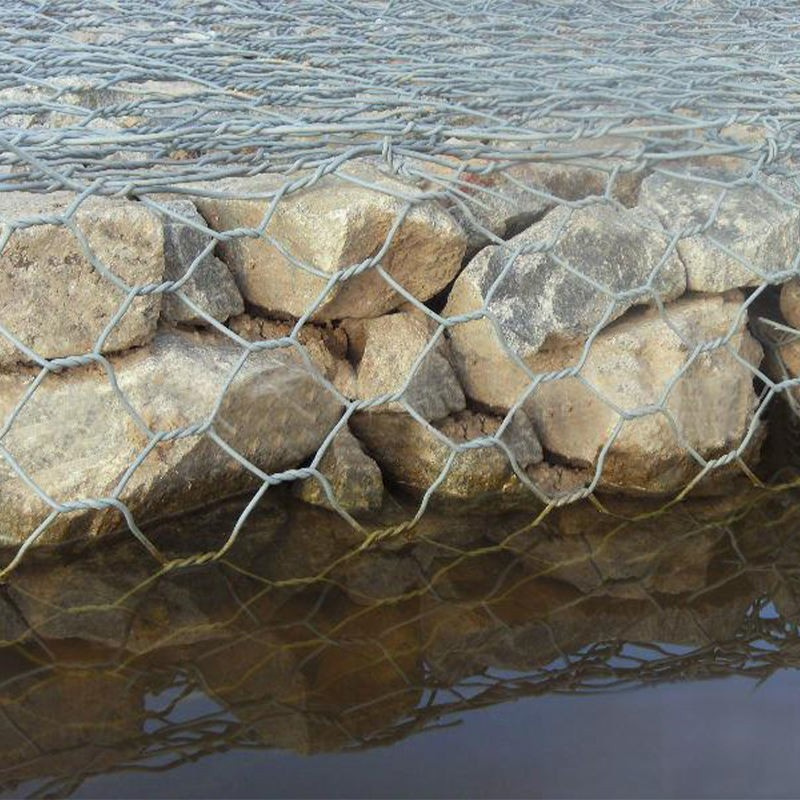
A riverside road may seem stable in dry weather. When river levels rise, water hits the embankment a
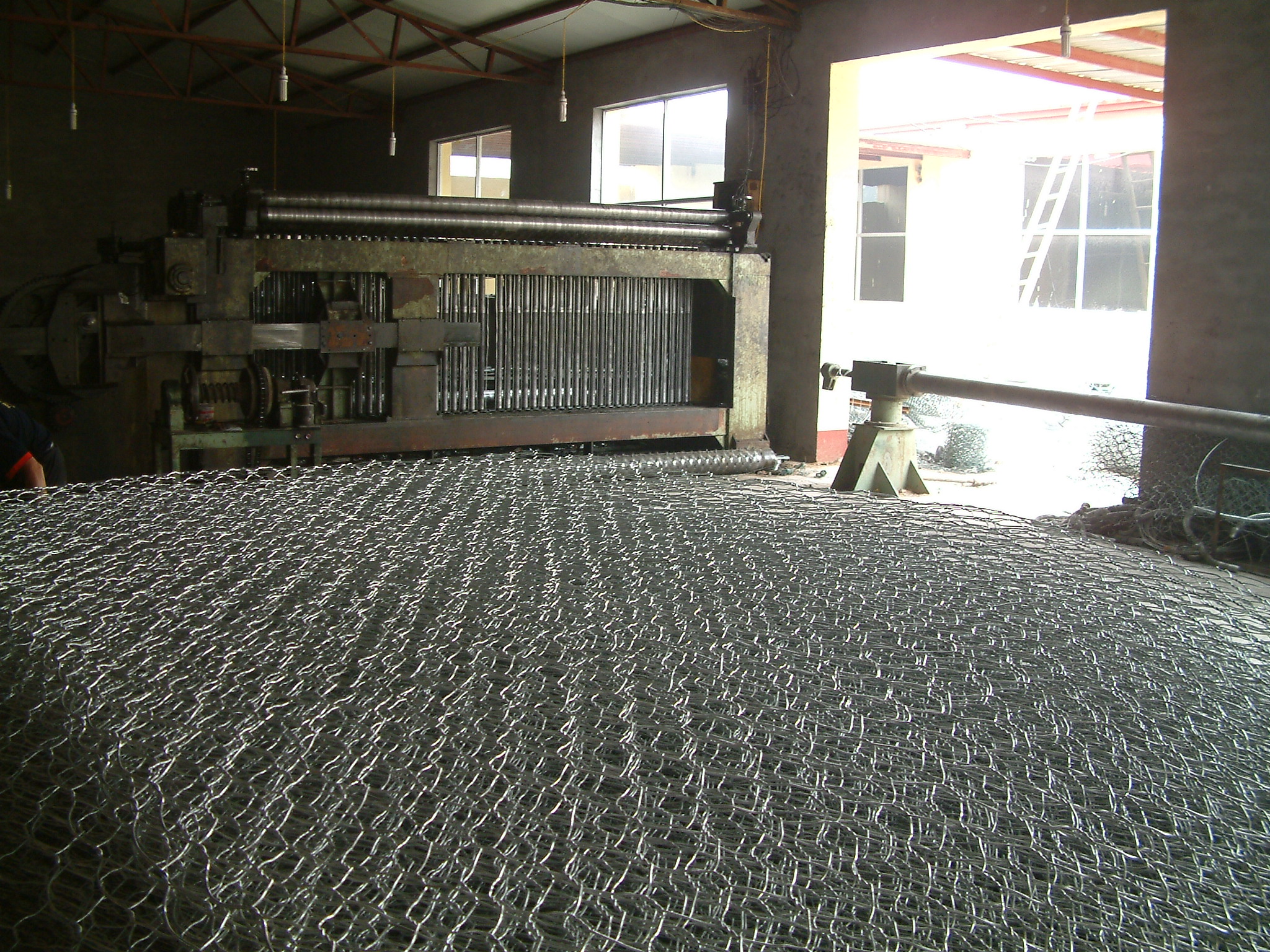
Most erosion repairs stall because they depend on materials that must be ordered, delivered, and lef