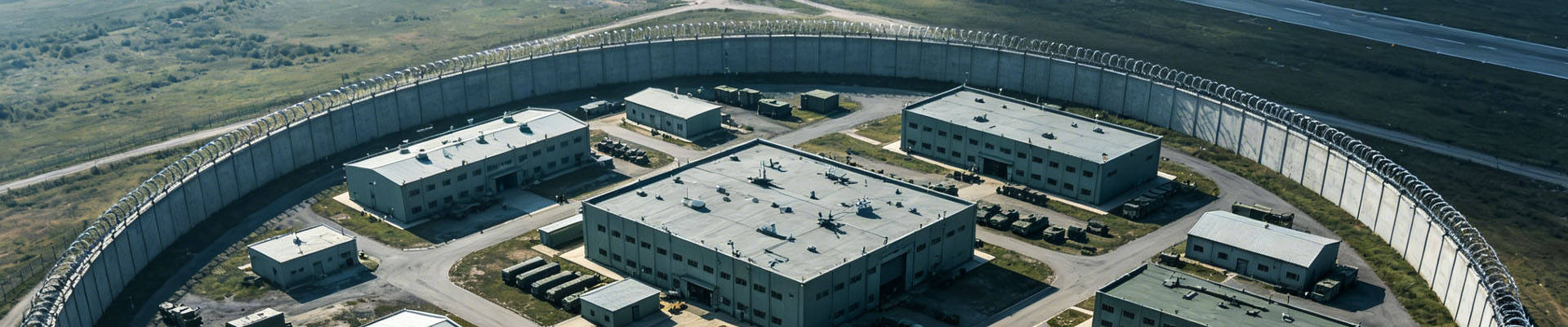
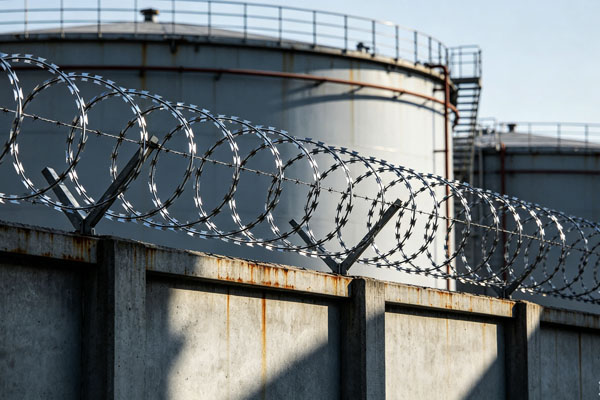
Razor wire has become a critical compone
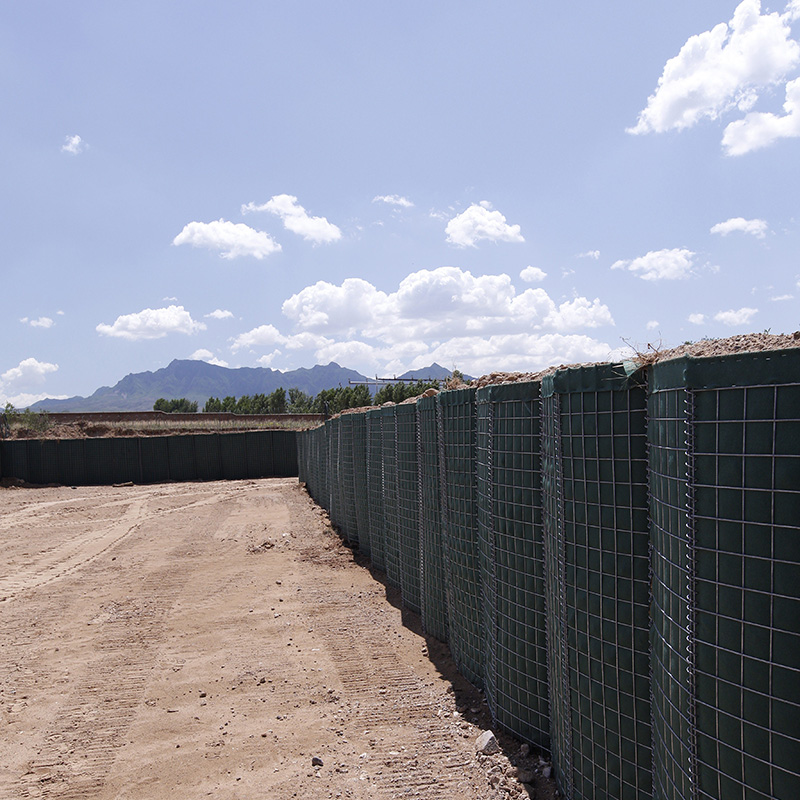
I still remember the old days of stackin
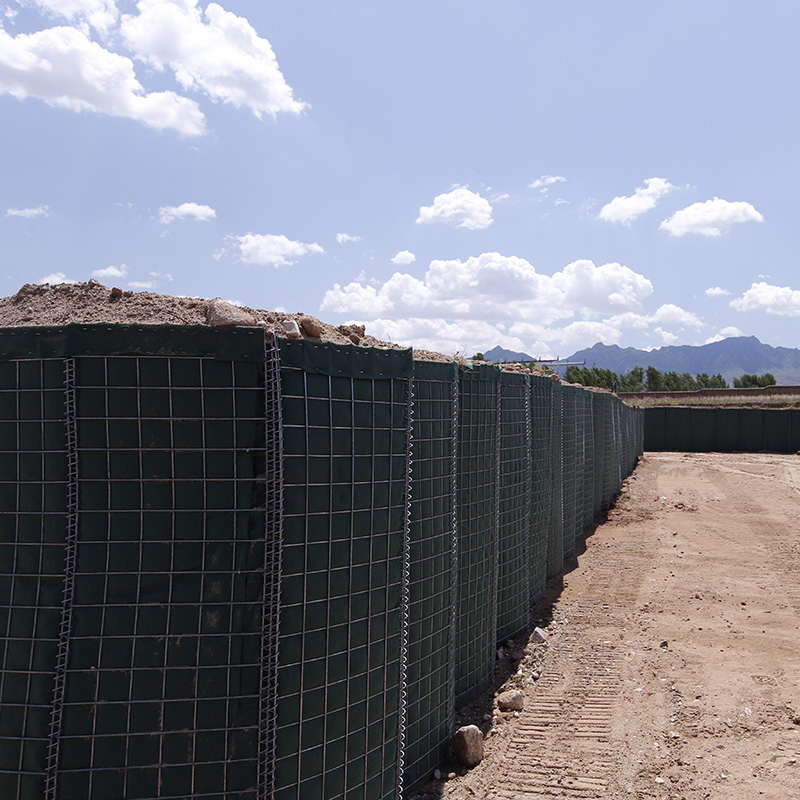
I grew up watching my dad fill sandbags
I grew up watching my dad fill sandbags during flood season. It was backbreaking work. Hours of lifting, filling, and stacking, only to watch the water rise anyway. That experience stuck with me. It taught me that hard labor doesn't always equal good results. The same logic applies to security. For decades, sandbags were the go-to for military perimeters. But times have changed, and so should our methods.
Enter the military bastion. If you are still relying on sandbags for force protection, it’s time to look at the alternatives. The difference isn't just material; it’s philosophy. Sandbags are passive. They absorb impact. Military bastions are active. They deflect it. When a blast hits a steel barrier, the angled panels push the force away from your people. Sandbags just take the hit and hope they hold.
Speed is the other massive factor. I’ve timed crews. Filling and stacking enough sandbags for a small checkpoint takes days. Deploying a military bastion system takes hours. In a crisis, those days matter. Imagine needing to secure a site after an incident. You can't wait a week for a wall to go up. You need it now. Steel barriers are designed for rapid deployment. They lock together like puzzle pieces. No filling, no tamping, no waiting.
Then there is the mess. Sandbags leak. They rot. They attract pests. After a few months in the sun and rain, they turn into a crumbling pile of dirt. Cleaning up old sandbag perimeters is a dirty, expensive job. Military bastions are clean. Steel doesn't rot. It doesn't leak. When you are done with the site, you pack them up and leave. The site looks exactly like it did before you arrived. That respect for the environment and the local community goes a long way.
Cost is where people get confused. "Steel is expensive," they say. Yes, the upfront cost is higher. But look at the lifecycle. How many times do you have to buy sandbags? How much do you spend on labor to fill them? How much do you pay to dispose of them? Over five years, a military bastion system pays for itself. It’s an asset, not a consumable. You can use it on Project A, then move it to Project B.
I also appreciate the consistency. Sandbags are never uniform. Some are fat, some are thin. The wall ends up lumpy and weak in spots. Military bastions are engineered. Every panel is identical. The strength is predictable. You know exactly what level of protection you have. There are no weak spots.
For anyone managing security budgets or operational risk, the choice is clear. Sandbags have their place in emergencies, but for sustained operations, military bastions are superior. They offer better protection, faster setup, and long-term savings. Stop wasting time on outdated methods. Invest in infrastructure that respects your time and your team's safety. It’s not just about building a wall; it’s about building peace of mind.Industry updates and product insights for global clients.
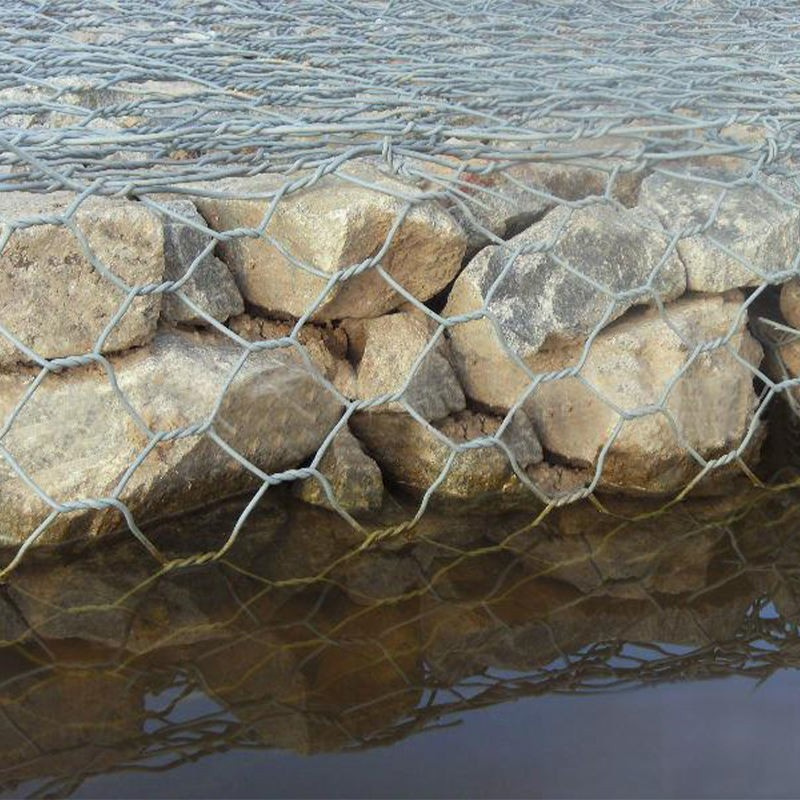
A riverside road may seem stable in dry weather. When river levels rise, water hits the embankment a
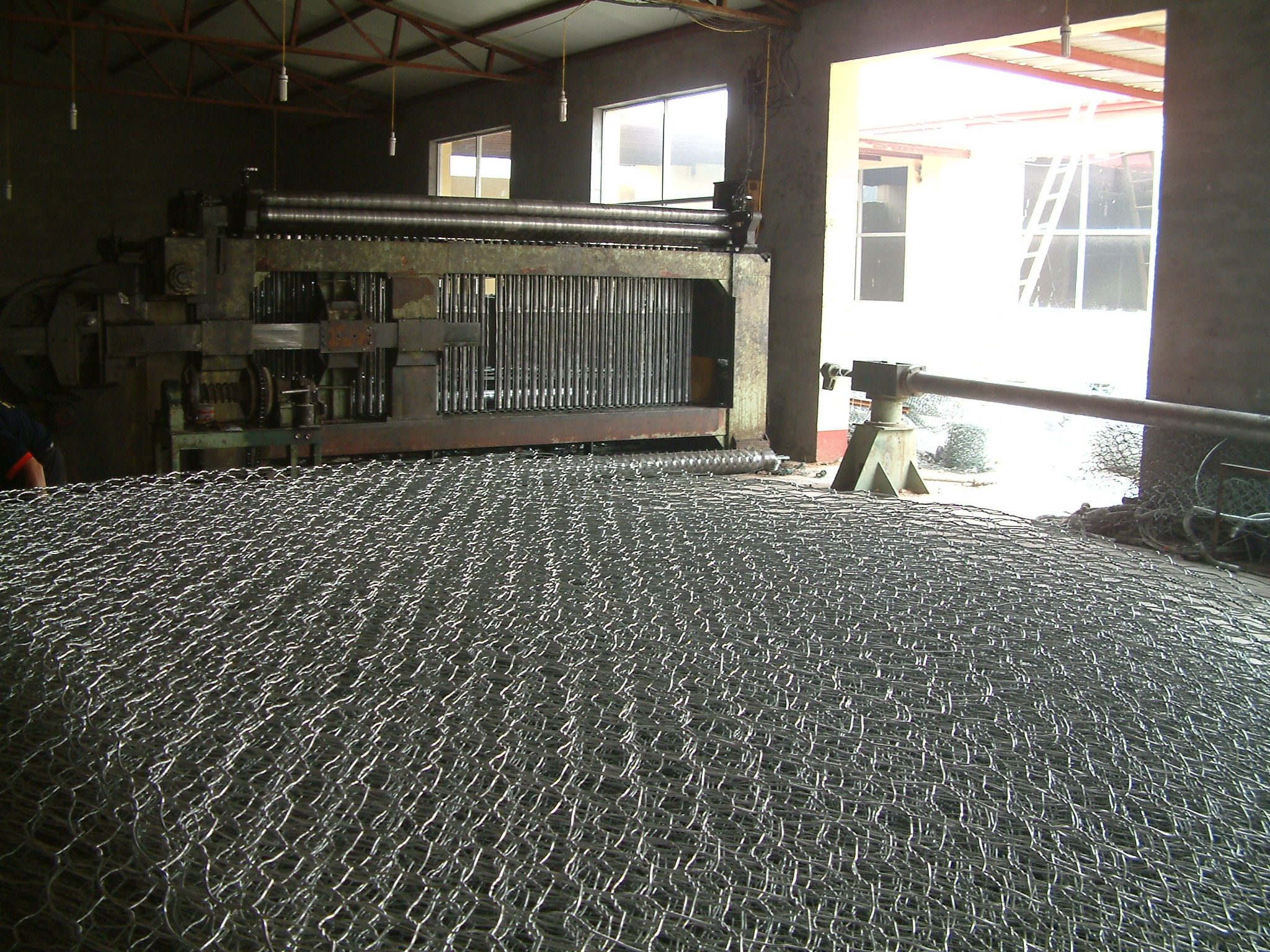
Most erosion repairs stall because they depend on materials that must be ordered, delivered, and lef